

Unlocking Home Improvement Basics: Tips for a Fresh and Functional Space
When it comes to transforming your dwelling into a dream abode, the journey starts right at your doorstep. Unlocking home improvement basics: tips for a fresh and functional space isn’t merely about aesthetics; it involves making your living space more comfortable, efficient, and tailored to your lifestyle. Whether you’re a seasoned homeowner or a newbie in the realm of residential revamps, these fundamental ideas will guide you toward creating a home that aligns with both your needs and aspirations.
Introduction to Home Improvement
Home improvement can seem daunting, especially with the plethora of choices and decisions at every turn. However, breaking it down into simpler, manageable parts makes it less intimidating. Unlocking home improvement basics starts with assessing your current space, identifying areas for enhancement, and setting a realistic budget. The goal is to achieve a balance between style and function, ensuring that every change not only looks good but improves your living experience.
Setting the Stage: Assess and Plan
Begin by taking a thorough walk-through of your home. Take note of what areas feel cramped, which fixtures are outdated, and where the flow from room to room might be disrupted. Are there any areas that always seem dark, or is storage an ongoing issue? Once you’ve identified these, categorizing your projects into ‘needs’ and ‘wants’ helps prioritize and align them with your budget.
Essential Tips for a Fresh and Functional Home:
-
Maximize Natural Light:
Natural light can transform spaces. If your home feels dark and enclosed, consider larger windows or skylights. For a less invasive option, changing window treatments to lighter, sheer materials can also brighten a room. -
Update Fixtures and Hardware:
One of the simpler improvements in unlocking home improvement basics is updating the fixtures and hardware. Replacing old faucets, doorknobs, and cabinet handles can make a significant visual impact without a hefty expenditure. -
Opt for Smart Storage Solutions:
Functionality often boils down to storage. Utilize vertical space with floor-to-ceiling shelving, invest in multi-functional furniture like ottomans with storage, and use closet organizers to maximize space efficiency. -
Refresh Your Walls:
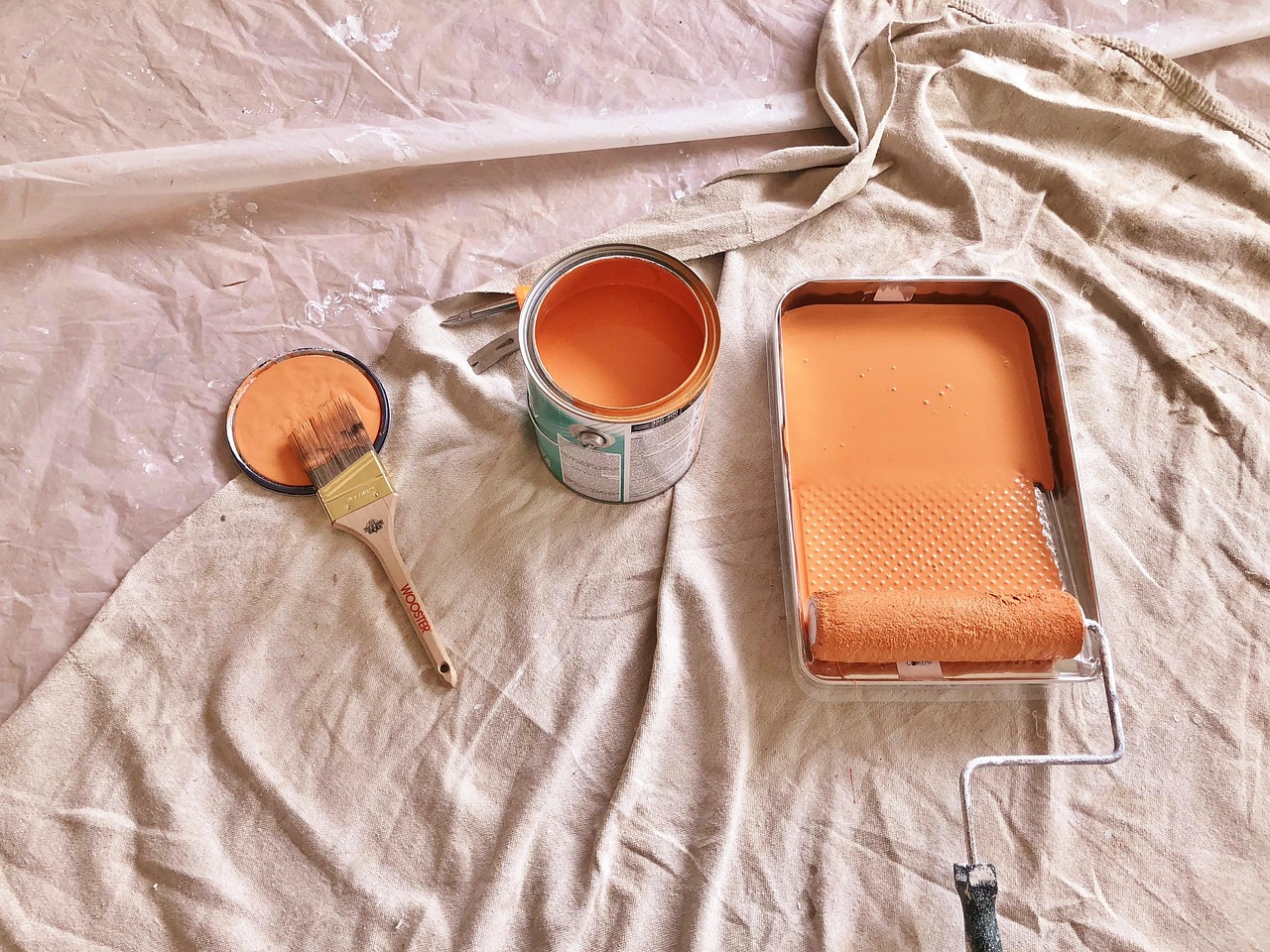
A fresh coat of paint can breathe life into any room. Choose colors that complement your furniture and floor, keeping in mind that lighter colors make rooms feel bigger and airier. -
Upgrade Your Flooring:
Flooring impacts the look, feel, and upkeep of your home. Whether you choose hardwood, laminate, or tile, ensure it’s appropriate for your climate and lifestyle needs. -
Integrate Technology:
Smart home improvements not only enhance functionality but can also boost your home’s efficiency. Smart thermostats, lighting, and security systems are good starting points. -
Eco-Friendly Choices:
Embrace sustainable practices by choosing energy-efficient appliances, using low-VOC paints, and installing water-saving fixtures. This helps in reducing your carbon footprint while also saving on utility bills.
DIY Vs. Professional Help
A pivotal aspect of unlocking home improvement basics is deciding when to DIY and when to call in the experts. Simple projects like painting walls or replacing hardware can be fulfilling DIY tasks. However, for more complex jobs like electrical work or major renovations, hiring professionals ensures safety and achieves high-quality results.
Frequently Asked Questions (FAQs)
Q1: How do I set a budget for home improvements?
A: Begin by getting estimates for the work to be done, then add a contingency fund of around 20% for unexpected expenses. Prioritize projects based on immediate needs and your overall financial situation.
Q2: What home improvements add the most value?
A: Kitchen and bathroom updates typically offer the best return on investment. Adding an outdoor living space or an attic bedroom can also significantly increase property value.
Q3: How long should I plan for a home renovation project?
A: The duration depends on the scale of the renovation. Minor remodels might take a few weeks, while major renovations could extend over several months. Always factor in some buffer time for unexpected delays.
Q4: Can home improvements impact my home’s energy efficiency?
A: Absolutely. Upgrades like adding insulation, sealing windows, and installing energy-efficient appliances can reduce energy consumption and lower utility bills.
Conclusion
Unlocking home improvement basics: tips for a fresh and functional space helps make your home a better reflection of who you are while enhancing its overall functionality. With careful planning, informed decisions, and sometimes a bit of professional help, you can effectively transform your living space. Start with small, manageable projects and gradually work your way up to bigger changes. Remember, the goal is to create a home that feels like both a sanctuary and a personal statement, so take the time to do it right.