
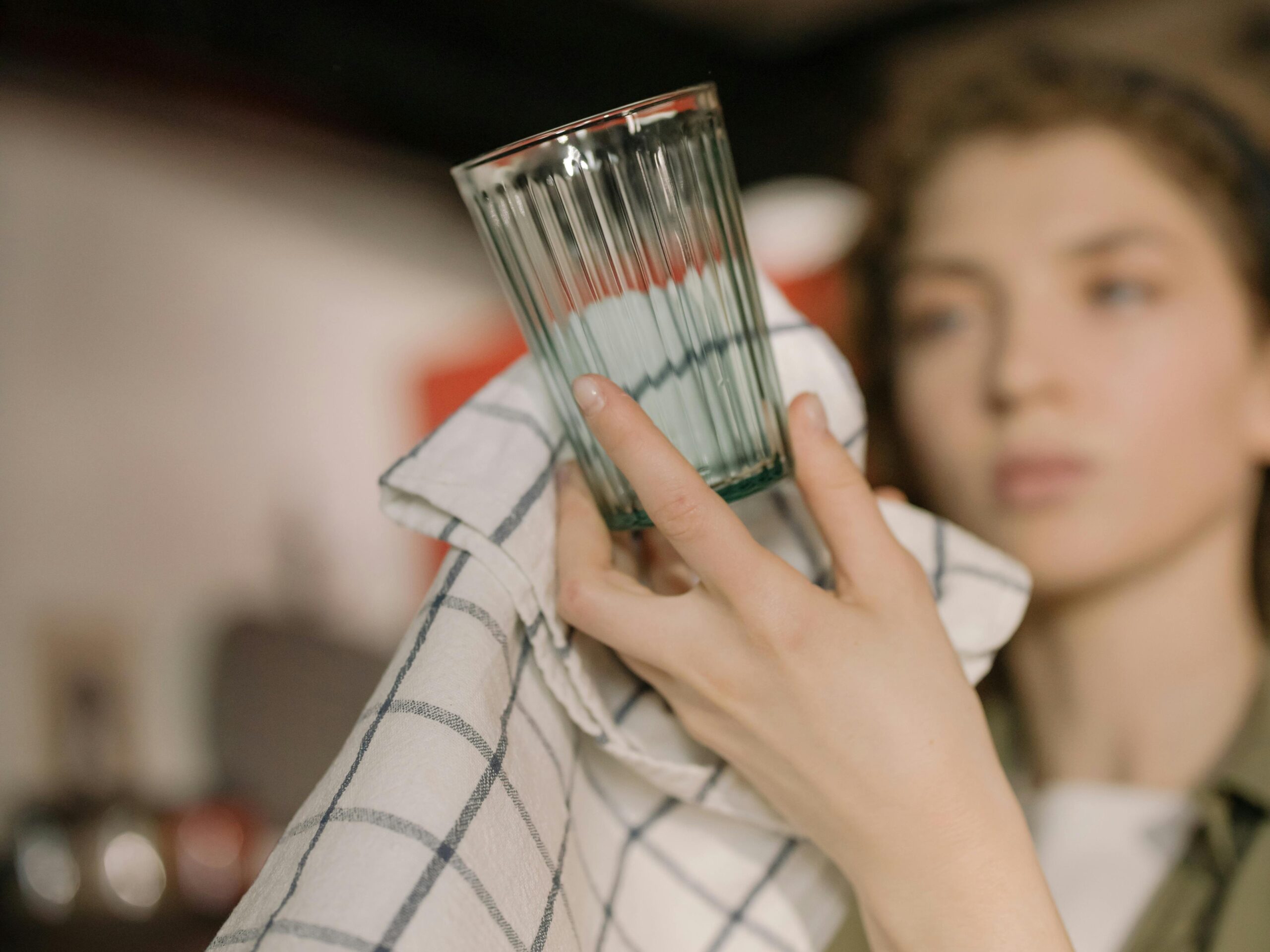
Top Home Hygiene Tips for a Cleaner Living Space
Maintaining a clean and hygienic home is essential, not just for aesthetic purposes, but for your health and well-being. A clean home can help you concentrate better, reduce stress, and keep allergies and germs at bay. With our busy lifestyles, cleaning can sometimes fall by the wayside. However, integrating some top home hygiene tips for a cleaner environment can make the task more manageable and effective. In this blog post, we’ll explore practical tips to keep your home sparkling clean and hygienic effortlessly.
Introduction to Home Hygiene
Home hygiene doesn’t just mean a quick tidy up. It encompasses thorough cleaning practices that minimize the spread of infectious diseases and create a healthy living environment. Dust, mold, pet dander, and other allergens can accumulate in surprising places, and without regular cleaning, your home could become a hotspot for allergies and infections.
So, where do you begin? Let’s dive into some top home hygiene tips for a cleaner home.
Essential Hygiene Tips for Every Home
- Establish a Regular Cleaning Schedule
Consistency is key when maintaining a clean home. Allocate specific days for different cleaning activities. For example, vacuuming might be done twice a week, whereas dusting furniture and wiping surfaces can be a daily routine. This helps ensure that dirt and dust don’t accumulate.
- Focus on High-Touch Areas
High-touch surfaces such as door handles, light switches, and countertops harbor germs due to frequent contact. These should be cleaned daily with disinfectant wipes or sprays to prevent the spread of germs.
- Declutter Regularly
Clutter not only makes your space look messy but also traps dust, dirt, and microbes. Make a habit of regularly purging items you no longer need. A minimalist approach can indeed lead to a cleaner and more hygienic home.
- Keep Your Bathroom Hygienic
The bathroom is a breeding ground for bacteria and mold. Always keep your bathroom dry to prevent mold growth. Regular cleaning of the toilet, sink, and bathtub is essential and should be done at least once a week. Also, consider anti-microbial shower curtains and change out towels frequently.
- Maintain Kitchen Hygiene
The kitchen is the heart of the home but also a prime area for the buildup of bacteria. Wipe down kitchen counters and appliances with a proper disinfectant cleaner. Keep your sponges and dishcloths clean since they can harbor bacteria, and replace them regularly.
- Proper Waste Disposal
Make sure garbage is taken out regularly and that bins are cleaned and disinfected to prevent an unpleasant smell and deter pests.
- Air It Out
Good ventilation reduces the chance of mold growth and diminishes stale odors. Open windows daily to let fresh air circulate throughout your home, decreasing the concentration of airborne contaminants.
- Regular Updates to Cleaning Supplies
Inspect and update your cleaning gear and supplies periodically. Using efficient tools like microfiber cloths, HEPA filter vacuums, and steam mops can enhance your cleaning routines.
- Pet Hygiene
If you have pets, regular grooming is essential to keep your home clean. Wash pet bedding regularly and keep their feeding area tidy and sanitized.
- Seek Professional Help When Needed
For deep cleaning or tackling significant issues like duct cleaning or carpet shampooing, it might be wise to hire professionals. They have the necessary equipment and expertise to do the job correctly.
FAQ About Home Hygiene
Q1: How often should I clean my home?
A1: It depends on various factors, like the size of your home and if you have pets or children. However, daily cleaning of high-use areas and a weekly cleaning schedule for the entire house is recommended.
Q2: What is the best homemade disinfectant?
A2: A simple and effective homemade disinfectant can be made by mixing 1 part water to 1 part white vinegar. For a more pleasant scent, add a few drops of essential oils like lavender or lemon.
Q3: Can indoor plants help with air quality?
A3: Yes, certain indoor plants like spider plants, peace lilies, and Boston ferns can help filter out common contaminants and improve indoor air quality.
Conclusion
Keeping your home clean and hygienic is an ongoing commitment that pays off by providing a healthier living environment. Implement these top home hygiene tips for a cleaner space to minimize your effort while maximizing effectiveness. Remember, a clean home is a happier, healthier home!
Start today by integrating these practices into your cleaning routine and see the difference in your home’s comfort and cleanliness level!