

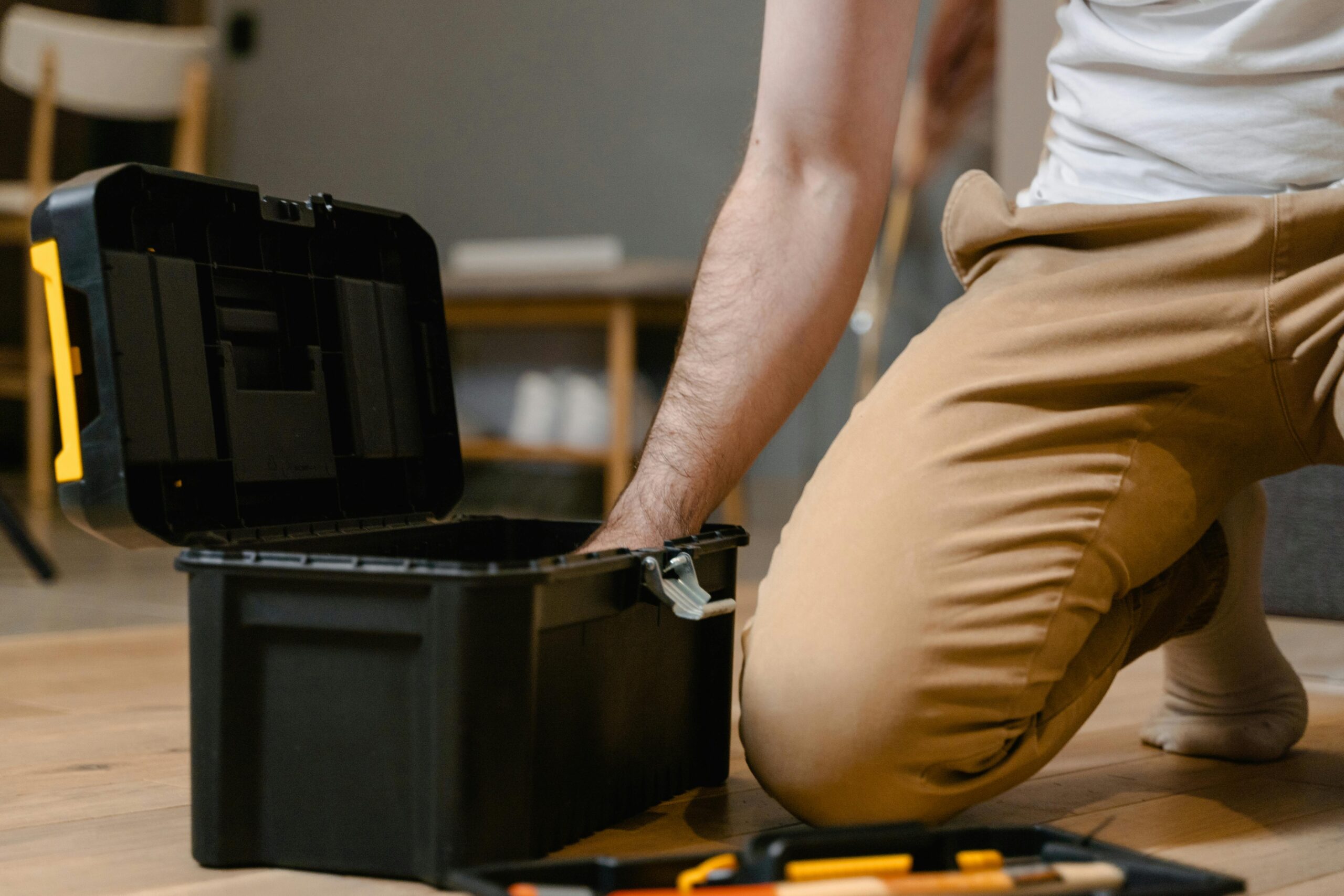
Essential Guide to Assembling a Basic Tool Kit for Homeowners
Introduction
Owning a home comes with plenty of perks and, inevitably, a few challenges — especially when it comes to maintenance and repairs. Whether you’re a first-time homeowner or a seasoned property veteran, having a well-equipped tool kit can make all the difference in keeping your home in top shape. But the question remains: what exactly do you need in your basic tool kit? In this essential guide to assembling a basic tool kit for homeowners, we’ll cover the must-have tools that will prepare you for common home repairs and projects.
Body:
1. Hammer
No basic tool kit is complete without a sturdy hammer. Opt for a claw hammer, which not only allows you to pound in nails but also to remove them. A 16-ounce hammer is an ideal weight for various household tasks, combining manageability and sufficient force.
2. Screwdrivers
A variety of screwdrivers is crucial in any homeowner’s toolkit. You’ll want both Phillips and flathead screwdrivers in multiple sizes. Alternatively, consider a multi-bit screwdriver that includes various interchangeable heads – it’s not only space-saving but also highly practical.
3. Tape Measure
Whether it’s for hanging pictures, buying new furniture, or remodeling a room, a reliable tape measure is indispensable. A 25-foot retractable metal tape measure can handle most household measurements. Look for one with a locking mechanism to enhance usability.
4. Pliers
Pliers are essential for gripping, twisting, and cutting. A set that includes needle-nose and slip-joint pliers will equip you well for those hard-to-reach areas and more general uses, respectively. Additionally, locking pliers can be very handy for jobs that require an extra-strong grip.
5. Adjustable Wrench
An adjustable wrench is a versatile tool suitable for tightening and loosening nuts and bolts of various sizes. One with a 6-inch handle can provide enough leverage for most tasks without being too cumbersome to handle.
6. Utility Knife
For cutting through boxes, carpeting, drywall, or even wallpaper, a sharp utility knife is a must-have. Look for one with replaceable blades and a comfortable grip. Always retract the blade when not in use to ensure safety.
7. Level
A level is essential for ensuring your projects aren’t lopsided. A standard 9-inch level is easy to maneuver and usually sufficient for hanging pictures, shelving, or anything that needs to be perfectly horizontal or vertical.
8. Electric Drill and Bits
An electric drill not only saves time but also provides precision in drilling holes. Cordless drills are most flexible, especially in homes where outlets are sparse or distant. Ensure your kit includes a variety of drill bits for different materials and purposes.
9. Flashlight or Work Light
Good lighting is crucial for most repair jobs, particularly in corners or behind appliances. A durable and bright flashlight, or better yet, a hands-free work light can make a significant difference.
10. Duct Tape and Electrical Tape
For quick fixes and emergency repairs, duct tape and electrical tape are invaluable tools. Duct tape is versatile for many temporary fixes, while electrical tape is essential when dealing with wires and electrical projects.
11. Safety Gear
Last but certainly not least, don’t forget to include basic safety gear. Work gloves to protect your hands, goggles for eye protection, and a dust mask, if you’re dealing with particulates or chemicals, are all essential for safe home maintenance.
FAQs:
Q1: How can I store my tools effectively?
A1: Invest in a sturdy toolbox or a tool organizer. This keeps your tools in one place, protected from damage, and easily transportable around the house or yard.
Q2: Are there any smart tools worth having in a basic home toolkit?
A2: A smart digital tape measure or a laser level can be extremely helpful, providing high precision for projects requiring exact measurements or alignments.
Q3: How often should I replace my tools?
A3: Quality tools can last a lifetime with proper care. However, inspect your tools regularly for signs of wear or damage, and replace them as needed to maintain safety and efficiency.
Conclusion
Assembling a basic tool kit is a simple but crucial step in effective homeownership. Having these tools on hand not only enables you to tackle everyday maintenance tasks but also prepares you for unexpected repairs. Remember, the essential guide to assembling a basic tool kit for homeowners is just the beginning. As you grow more accustomed to your home’s needs, you can expand your toolkit with more specialized tools. Stay proactive, stay prepared, and here’s to many successful DIY projects in your home!