

How to Fix Squeaky Doors: A Simple Guide for Homeowners
Squeaky doors are a common household nuisance, often disrupting the peace with every open and shut. Whether it’s the soft squeak from a bedroom door or the loud groan from the front door, these persistent sounds can become quite bothersome. But before you consider replacing your noisy doors, there are simple, budget-friendly methods to fix squeaky doors yourself. In this guide, we’ll walk you through the steps to eliminate those annoying creaks and provide some useful tips to maintain your doors for years to come.
What Causes Door Squeaks?
The irritating sound of a squeaky door usually stems from friction in the door hinges. As doors age, their hinges can become rusty, or their lubrication can dry out, leading to the telltale squeak. Environmental factors like humidity changes can also cause the wood around the hinges to expand and contract, exacerbating the issue.
Step-by-Step Guide on How to Fix Squeaky Doors
1. Identify the Problem
Start by determining which part of the door is making the noise. Open and close the door several times to locate precisely where the squeak is coming from. Most frequently, it’s the hinges that need attention.
2. Tighten the Hinges
Sometimes, simply tightening the screws on the hinges can solve your problem. Use a screwdriver to secure any loose screws. If screws continue to spin without tightening, they might be stripped. A quick fix is to remove the screw, stuff the hole with a small, wooden matchstick dabbed in glue, and then reinsert the screw.
3. Clean and Lubricate the Hinges
If tightening doesn’t stop the squeak, or if the hinges are visibly rusty, cleaning and lubricating them is your next step. Here’s how:
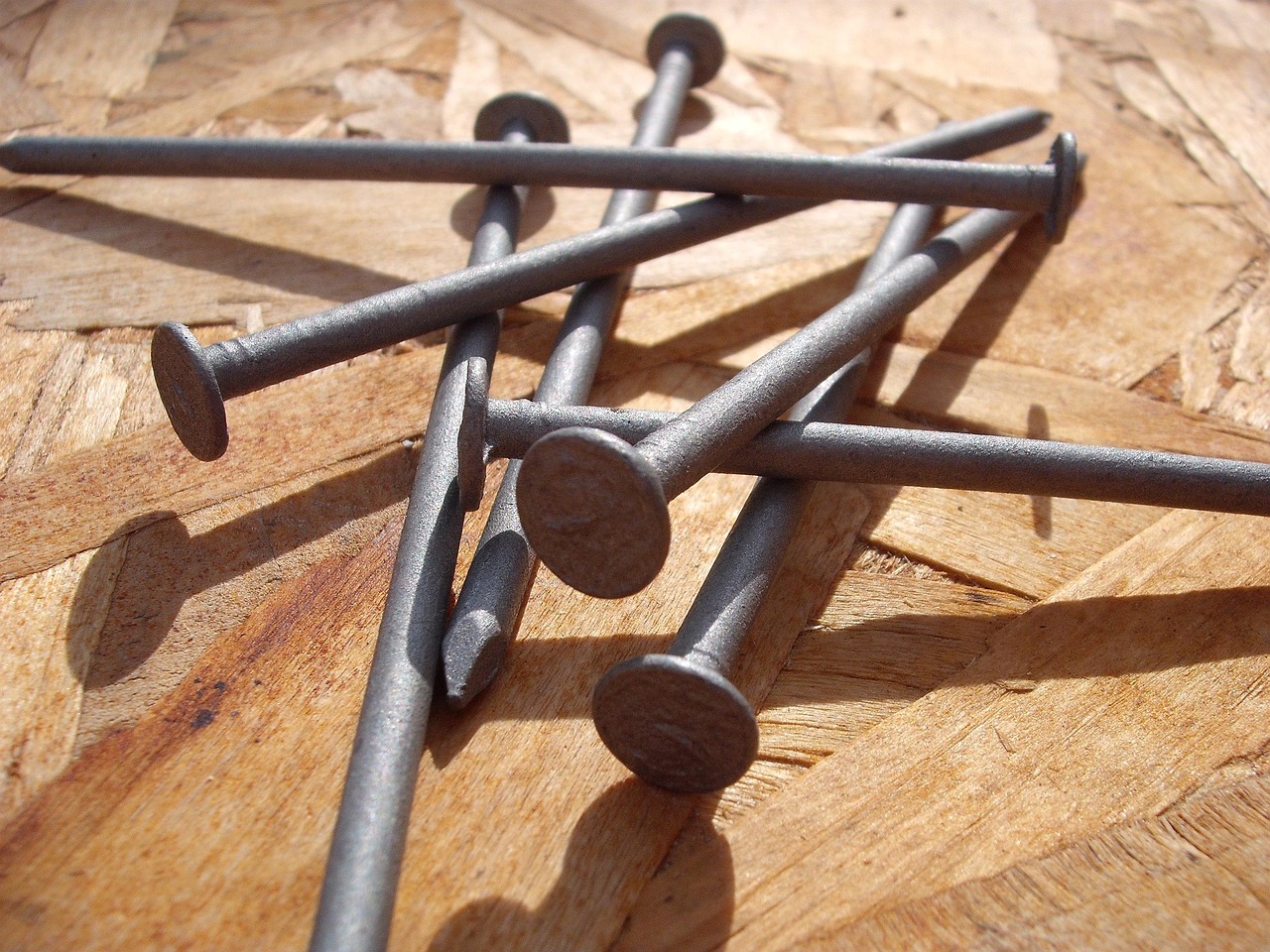
- Remove the hinge pins: Place a nail or a screwdriver at the bottom of the hinge pin, gently tapping it with a hammer until you can pull the pin out. Perform this step for each hinge.
- Clean the pins and hinges: Use steel wool or a wire brush to clean rust and dirt off the hinge pins and the inside of the hinges. Wipe them clean with a rag.
- Lubricate: Before reinserting the hinge pins, lubricate them with a proper product. WD-40 is a popular choice, but for a long-term solution, consider using white lithium grease or silicone-based lubricants as they tend to stick better and last longer.
- Reassemble the door: Put the pins back into the hinges and check the door movement. It should now move silently.
4. Check the Door Frame and Strike Plate
If the door continues to squeak after lubricating the hinges, the problem might lie with the strike plate or the door frame itself. Ensure the strike plate is properly aligned with the latch. Adjust and tighten as necessary.
DIY Solutions for Squeaky Doors:
- Bar Soap or Candle Wax: If you’re in need of a quick fix and don’t have any lubricants on hand, you can rub a bar of soap or some candle wax onto the hinge pins. While not as durable as oil or grease, this can provide a temporary reduction in noise.
- Paraffin Oil: For wooden parts that might be causing friction, paraffin oil can be a good alternative, as it soaks into the wood, reducing swelling and contraction.
FAQs on How to Fix Squeaky Doors
What is the best lubricant for squeaky door hinges?
While WD-40 is great for a quick fix, white lithium grease or silicone-based lubricants are better for long-term solutions as they are more resistant to weather changes and wear.
Can I paint over lubricated hinges?
It’s not advisable to paint over lubricated hinges, as the paint can seal in dirt and eventually degrade the lubricant. Always clean and lubricate hinges after painting.
What should I do if my door squeaks after lubrication?
If the door still squeaks post-lubrication, check for other issues such as misalignment or wood expansion around the hinges or frame.
Conclusion
Fixing squeaky doors is a simple DIY task that can restore peace to your home environment. From tightening screws to lubricating hinges, the methods discussed should help you tackle the squeak yourself. Remember, regular maintenance, including periodic tightening and lubrication, is essential to keep those door noises at bay. With the right tools and a bit of effort, you can ensure your doors function silently and smoothly for the long haul.